
WHAT IS THE DIFFERENCE BETWEEN MODERN AND CONTEMPORARY INDIAN ART?
Sonia Nayyar Patwardhan | Contemporary Art | Modern Art
While the words ‘modern’ and ‘contemporary’ can be used interchangeably in everyday conversation, these terms have distinct meanings in a fine art context. The difference between modern and contemporary art is especially important in Indian art, as these terms refer to two unique movements with their own ideas, styles, and history.
Modern Indian art sought to answer the question: How can art express a post-colonial Indian identity? Today, contemporary Indian art asks: How do artists respond to the changing realities of India and the world? This shift—from defining a national artistic identity to exploring a wide range of personal and global experiences—is the fundamental difference between the two periods.
Modern Indian Art
(1848–1906)
Deeply connected to the struggle for Independence, Indian modernism emerged as a response to British colonial rule. Artists pushed back against the Western academic realism taught in schools and championed a way of making art that felt truly Indian.
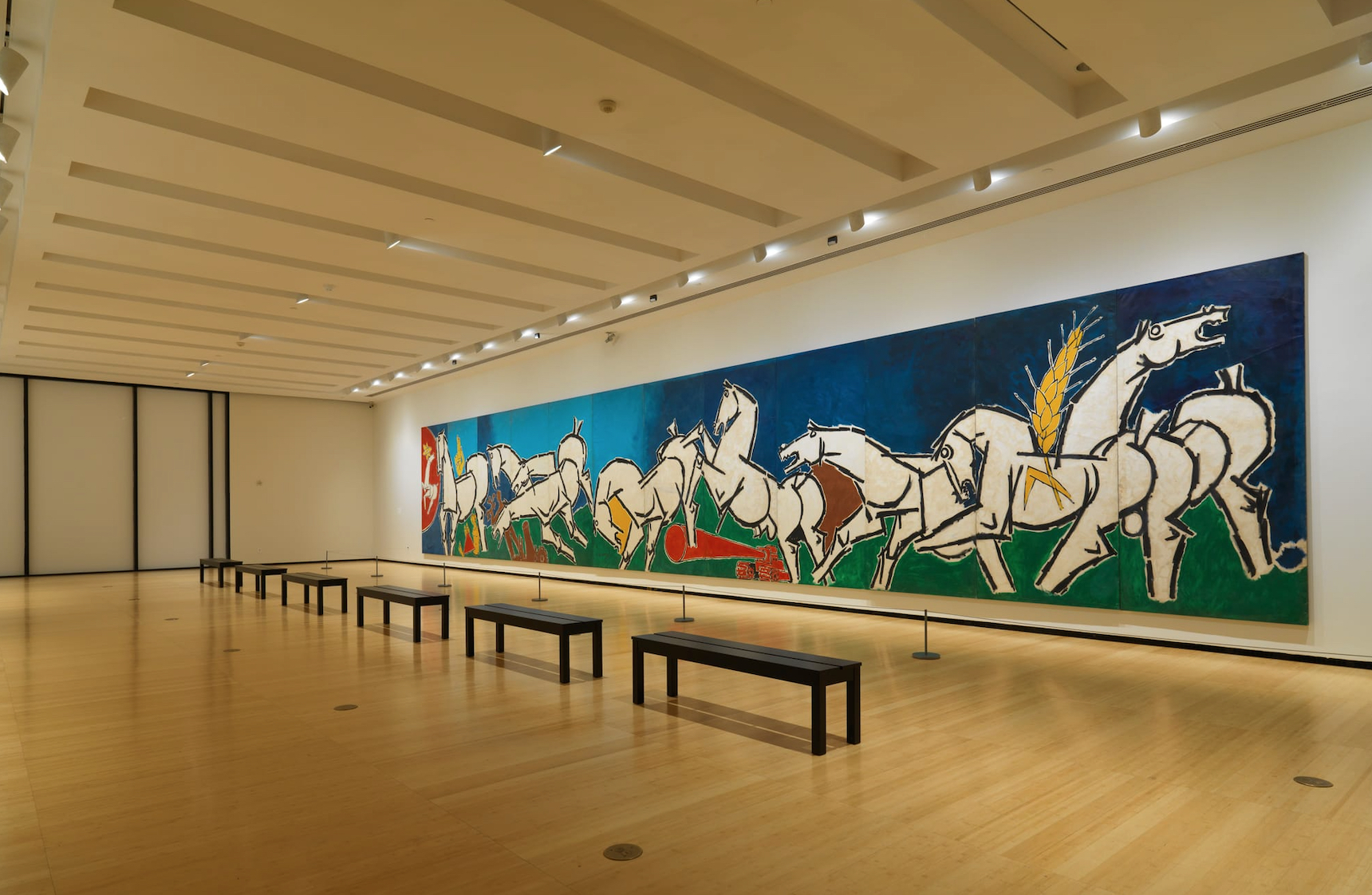
This era began with renowned figures like Raja Ravi Varma (1848–1906) and Jamini Roy (1887–1972), and peaked in the 1950s and 60s post-Independence as artists like M.F. Husain (1915–2011), S.H. Raza (1922–2016), and F.N. Souza (1924–2002) introduced new styles that reflected a newly sovereign nation.
- The Bengal School: Led by Abanindranath Tagore in the early 1900s and further developed by others like Jamini Roy, the Bengal School revived folk techniques and aesthetics. The movement drew inspiration from India’s cultural heritage, including Mughal miniatures, Ajanta murals, and Kalighat paintings.
- The Bombay Progressive Artists’ Group (PAG): Established in 1947 shortly after India’s Independence, the PAG marked a decisive break from revivalist traditions and sought to create a bold visual language that reflected the aspirations of a new India. They infused European styles like Cubism and Abstract Expressionism with Indian mythology, spirituality, landscapes, and everyday life. Founding members included Indian modern masters F.N. Souza, S.H. Raza, M.F. Husain, K.H. Ara, H.A. Gade, and S.K. Bakre; their work popularized modernism and established India on the global art stage.
- Mediums: Modern artists primarily worked in traditional mediums such as oil on canvas, watercolor, and sculpture in bronze or stone.
Contemporary Indian Art
(1970s – Present)
Contemporary art generally encompasses work produced from the 1970s onward, with a major acceleration after India’s economic liberalization in 1991. The nation became increasingly connected to the global economy, and its artists began actively participating in international exhibitions, galleries, museums, and art fairs.
But unlike modern art, contemporary Indian art has no single aim or manifesto. In fact, its strength lies in its diversity.
Today’s key Indian art movements and current trends:
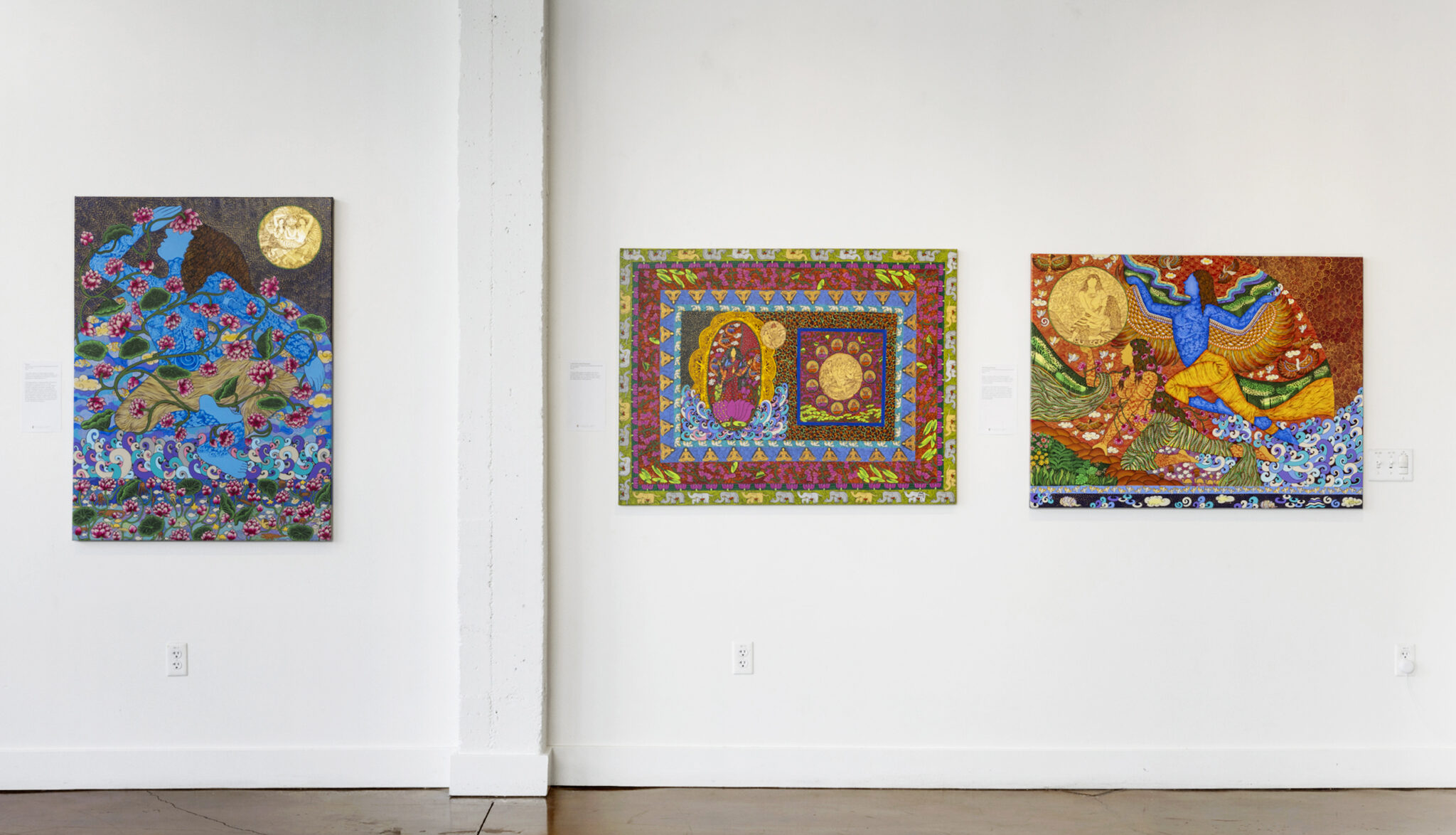
- Globalization: Contemporary Indian artists respond to urbanization, migration, technology, environmental issues, and complex social issues like gender—often tackling several of these themes simultaneously. For instance, Seema Kohli’s richly layered, gold- and silver-leafed canvases explore femininity, spirituality, and mythology.
- International Platforms: Major art fairs and exhibitions in South Asia, such as the India Art Fair (established in 2008) and the Kochi-Muziris Biennale (launched in 2012), have boosted the international visibility of Indian artists. Artists are also participating more at prestigious global exhibitions, including the Venice Biennale through India’s National Pavilion in 2011, 2019, and 2026.
- Mediums: Traditional mediums like painting and sculpture remain popular, along with newer formats like photography, large-scale installations, digital media, video, and performance.
Artists Who Bridge Both Eras
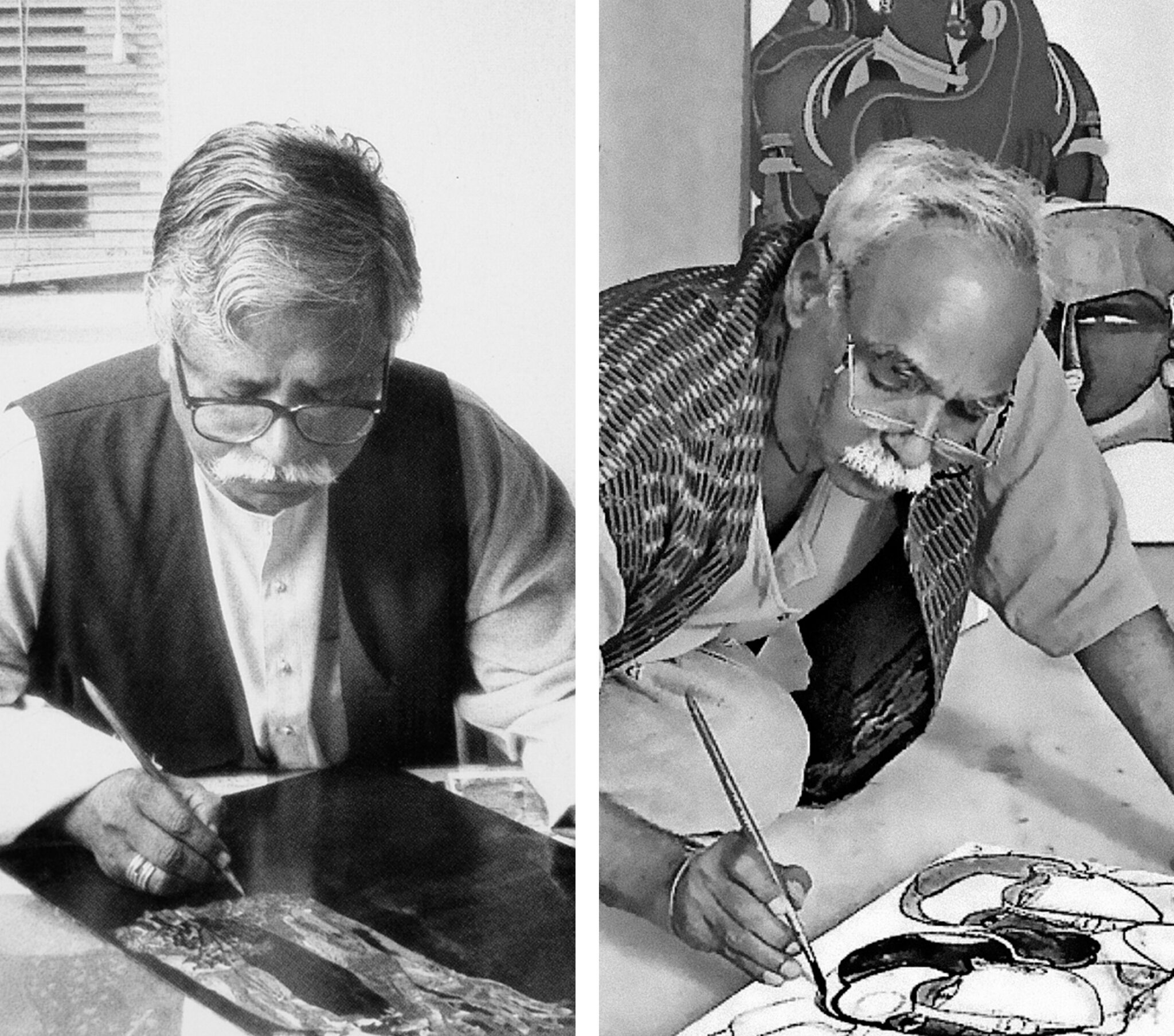
The distinction between modern and contemporary Indian art is useful, but it is not a rigid boundary. Leading senior figures such as Laxma Goud (b. 1940) and Thota Vaikuntam (b. 1942) demonstrate how careers can span both periods.
Both Goud and Vaikuntam began their careers in the 1960s, when they studied under modernist K.G. Subramanyan at M.S. University in Baroda, and both built their practices around the culture and rural life of Telangana. Goud is celebrated for his expressive drawings, etchings, and paintings that capture the intimacy of village life, while Vaikuntam is renowned for his highly stylized, boldly colored portraits of Telangana women. Although they emerged onto the scene during the late modernist period, both are ultimately focused on their specific experiences of Telangana, not a generalized Indian experience. Goud and Vaikuntam continue to exhibit internationally and are highly sought after by collectors.
Modern vs. Contemporary Art: The Effect on the Art Market
Beyond subject and style, these two Indian art movements have important differences in the market:
- Availability: Modern artworks are historical and limited in supply; most of the leading artists have passed away, making works increasingly scarce. Contemporary art is still being created, offering collectors the opportunity to engage directly with living artists and follow the evolution of their careers.
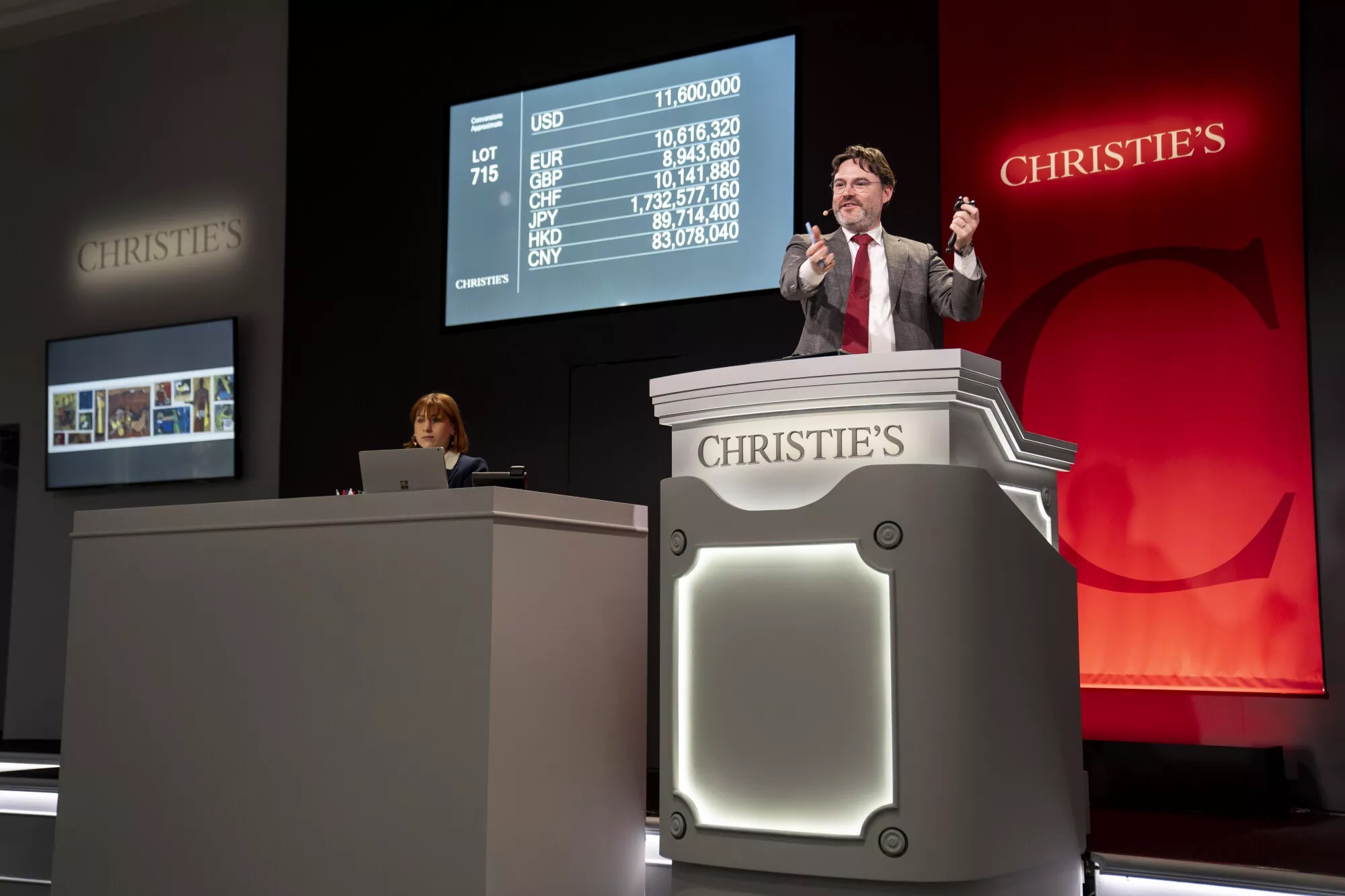
- Pricing: The growth of India’s art market has particularly benefited established modern masters, as famous modern Indian paintings set auction records in rapid succession. Contemporary art offers opportunities across a broader price range, from works by emerging artists to established masters, although their market values continue to grow as museums, galleries, and collectors embrace their work.
Final Thoughts
‘Modern’ and ‘contemporary’ are not competing categories but successive chapters in India’s artistic story—these two movements are in conversation, reflecting the nation’s evolving identity and concerns.
At Laasya Art, we represent artists across both eras, giving clients the opportunity to build a collection that reflects the scope of Indian art, from its modernist foundations to the most exciting contemporary voices.