
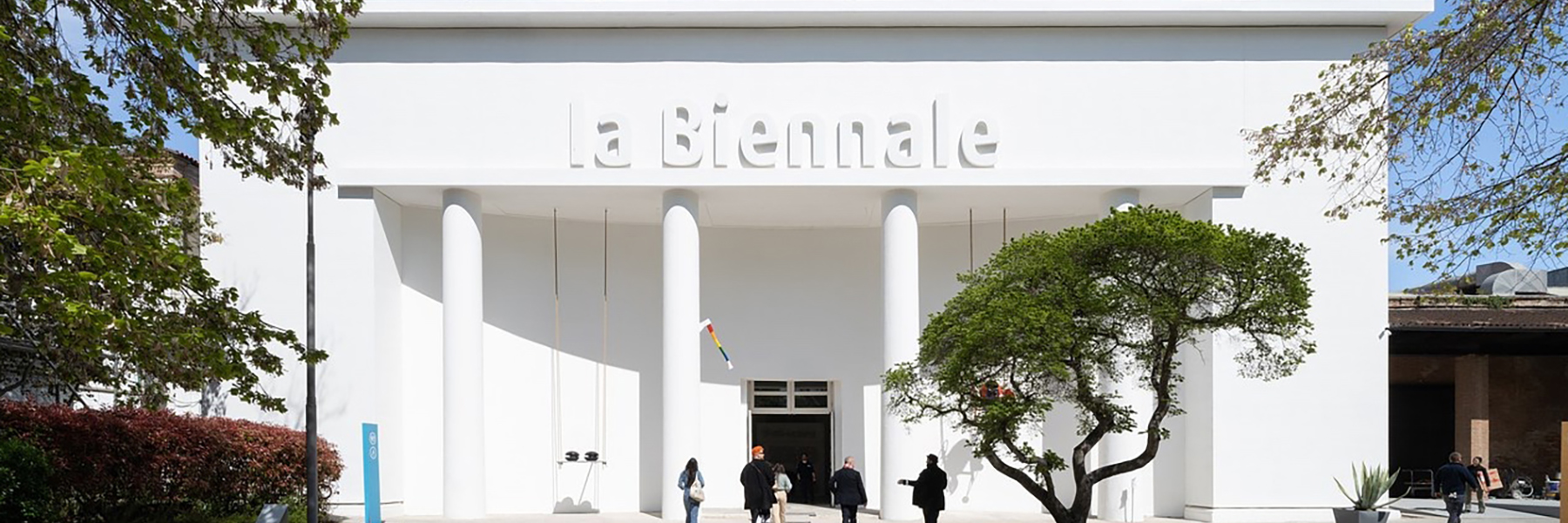
The 2026 Venice Biennale: Inside the India Pavilion & Global Art Highlights
Sonia Nayyar Patwardhan | Auctions & Art Fairs
Every two years, the art world flocks to Italy for one of the most prestigious contemporary art exhibitions: the Venice Biennale. The Biennale sprawls across the city, taking over historic palazzos, churches, warehouses, building façades and even the streets, transforming Venice itself into a global conversation about culture, identity and the future of art.
Last weekend marked the opening of the Biennale’s 61st edition, which comprises the central exhibition “In Minor Keys” and 100 national pavilions, in addition to numerous collateral events organized by partner nonprofits.
Here’s a look at highlights from the 2026 Biennale, including the standout India Pavilion, and the broader significance of this influential global gathering.
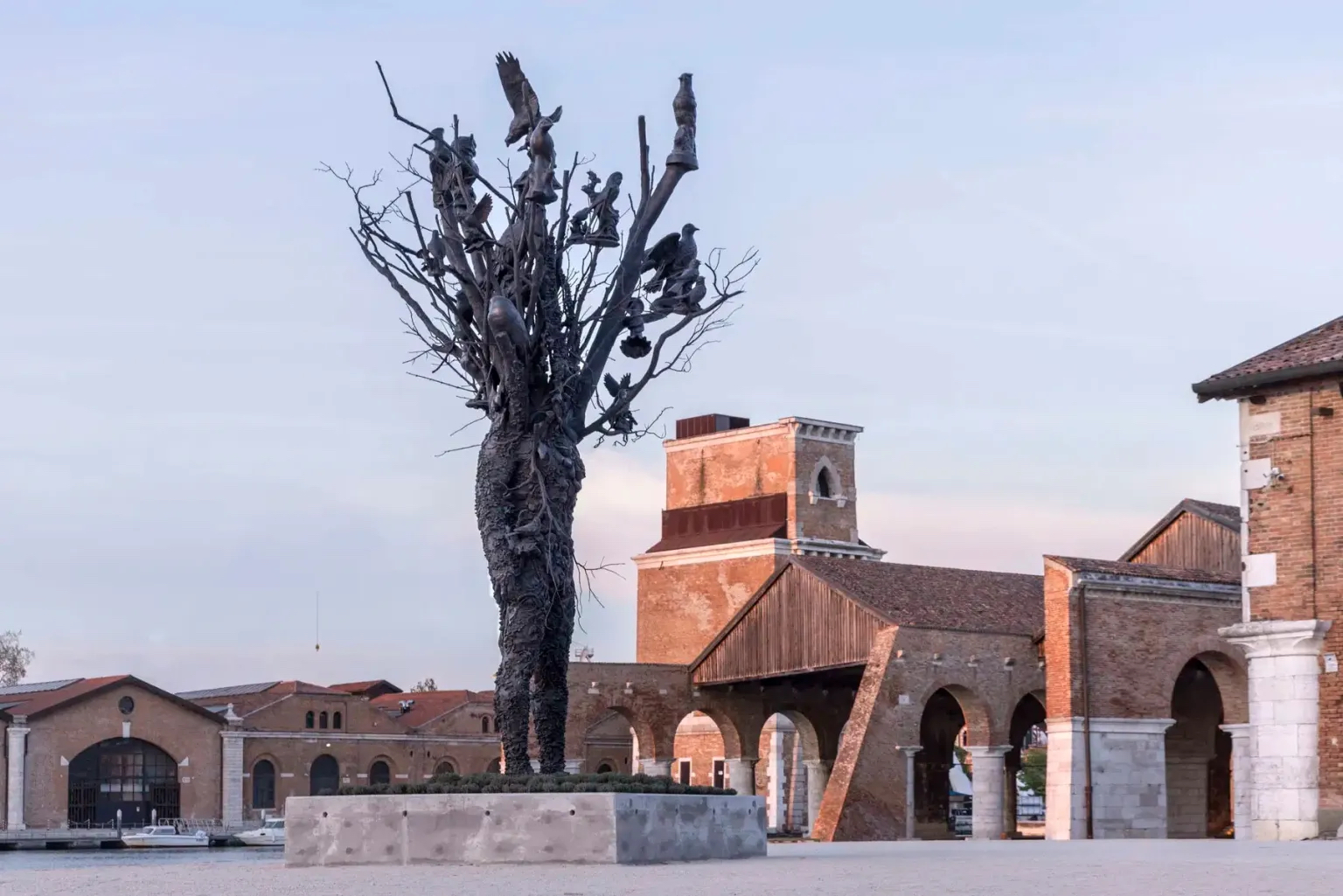
Why the Venice Biennale Matters in Contemporary Art
The Venice Biennale held its first International Art Exhibition in 1895, and it remains one of the most influential platforms for contemporary art. In fact, it’s often called the “Olympics of the art world.”
What sets the Biennale apart is its scale and structure: a central curated exhibition brings together international artists, while national pavilions allow countries to present their own distinct artistic voices. This dual format creates a dynamic reflection of the times, with themes frequently addressing migration, technology, spirituality, gender and the complexities of human connection.
For artists, an invitation to exhibit at Venice can be career-defining. For collectors and galleries, the Biennale often shapes conversations and trends that affect the global art market for years to come.

“In Minor Keys” Showcases Global Perspectives
The central exhibition of the 2026 Biennale, “In Minor Keys,” features more than 110 artists from around the world, including South Asian artists such as Sohrab Hura, Himali Singh Soin, and Rajni Perera. Borrowing from music, the term “minor keys” evokes an introspective and even melancholic mood, echoed in the exhibition’s themes of spiritual reflection, quiet resilience and contemplation, expressed across multimedia works and immersive installations.
Situated among the national pavilions, “In Minor Keys” is the conceptual and emotional heart of the Biennale, offering a deliberate pause amid the scale and spectacle of the wider event.
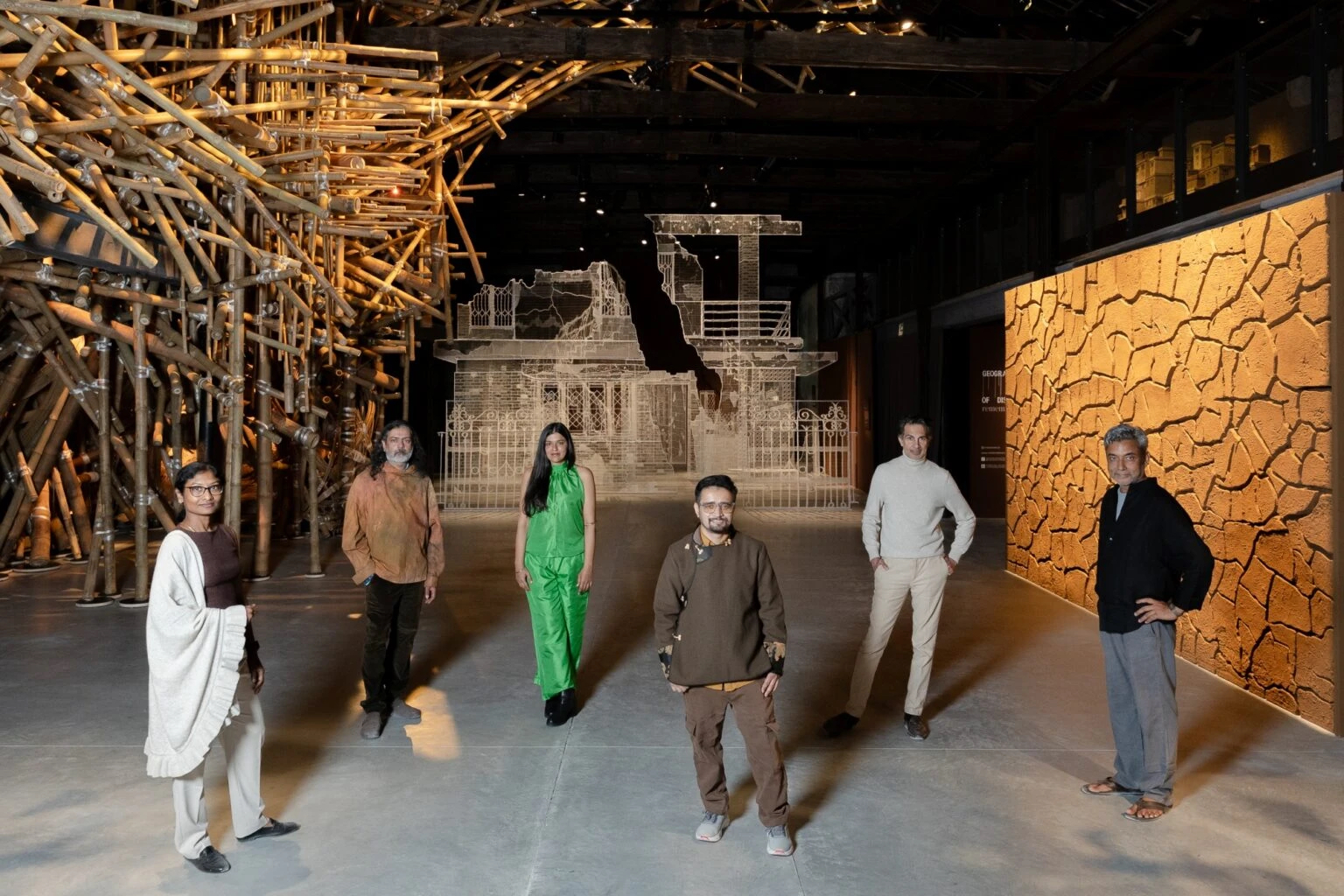
The India Pavilion Makes a Triumphant Return
India first officially participated in the Venice Biennale in 2011 and then again in 2019, so 2026 marks only its third participation. This year’s pavilion brings together five artists — Alwar Balasubramaniam, Sumakshi Singh, Ranjani Shettar, Asim Waqif and Skarma Sonam Tashi — whose practices present both India’s geographic diversity and its deep-rooted craft traditions, including clay, thread, bamboo and papier-mâché. Each of these artists explore the idea of “home,” engaging with themes of identity and belonging.
Not only are India Pavilion’s installations visually impressive and a strong demonstration of emerging talents, but India’s presence at the Biennale also signals its expanding role in global contemporary art. Artists from India increasingly participate in conversations that are no longer regional, but truly international in scope.
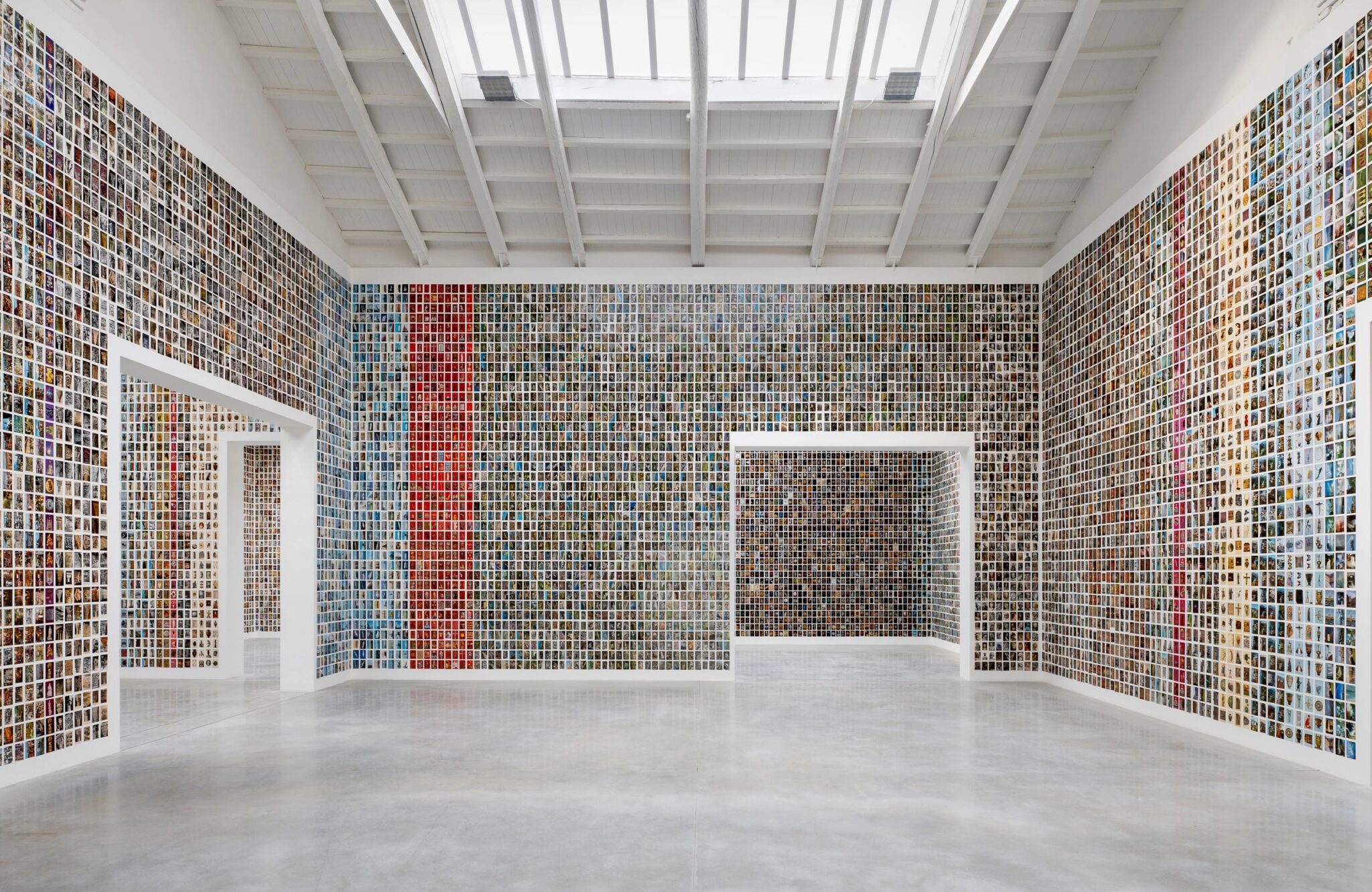
Visitor Lions: A Newly Democratic Award
Traditionally, the Venice Biennale announces the winners of the Golden Lion awards for Best Artist and Best National Pavilion on its opening day. This year, however, the decision has been placed in the hands of the public.
Throughout the exhibition’s run, visitors are invited to vote for their choices, with the new “Visitor Lions” awards set to be announced on the closing day, November 22. This shift marks a notable move toward greater audience participation in shaping the Biennale’s legacy.
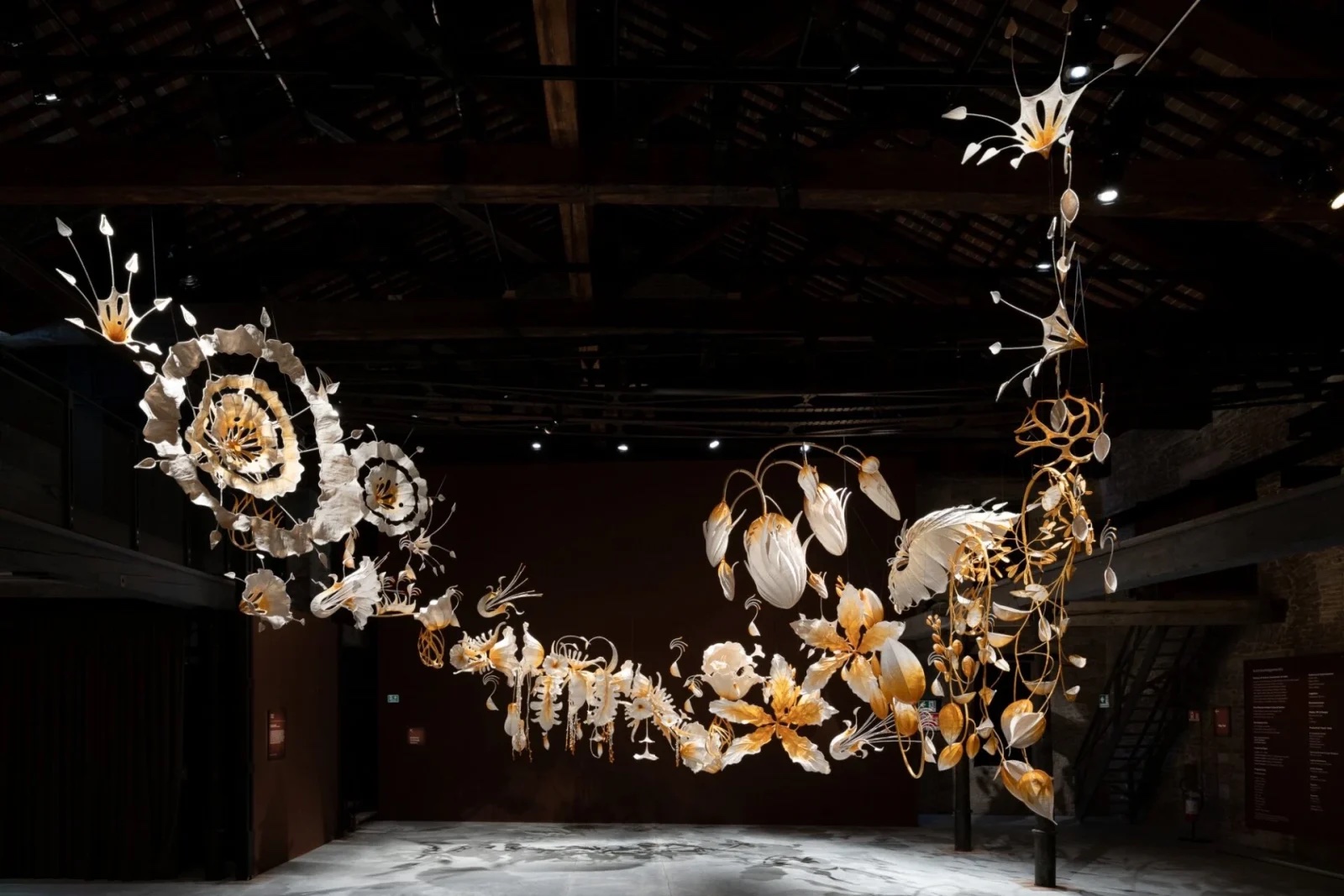
The Venice Biennale is a cornerstone event in the international art world, offering insight into the cultural currents of our time and evolving contemporary art trends. It is also a powerful reminder that art is truly a universal language capable of crossing borders.