
MICHAEL SZABO: THE CREATIVE JOURNEY OF A CONTEMPORARY SCULPTOR
Sonia Nayyar Patwardhan | Contemporary Art
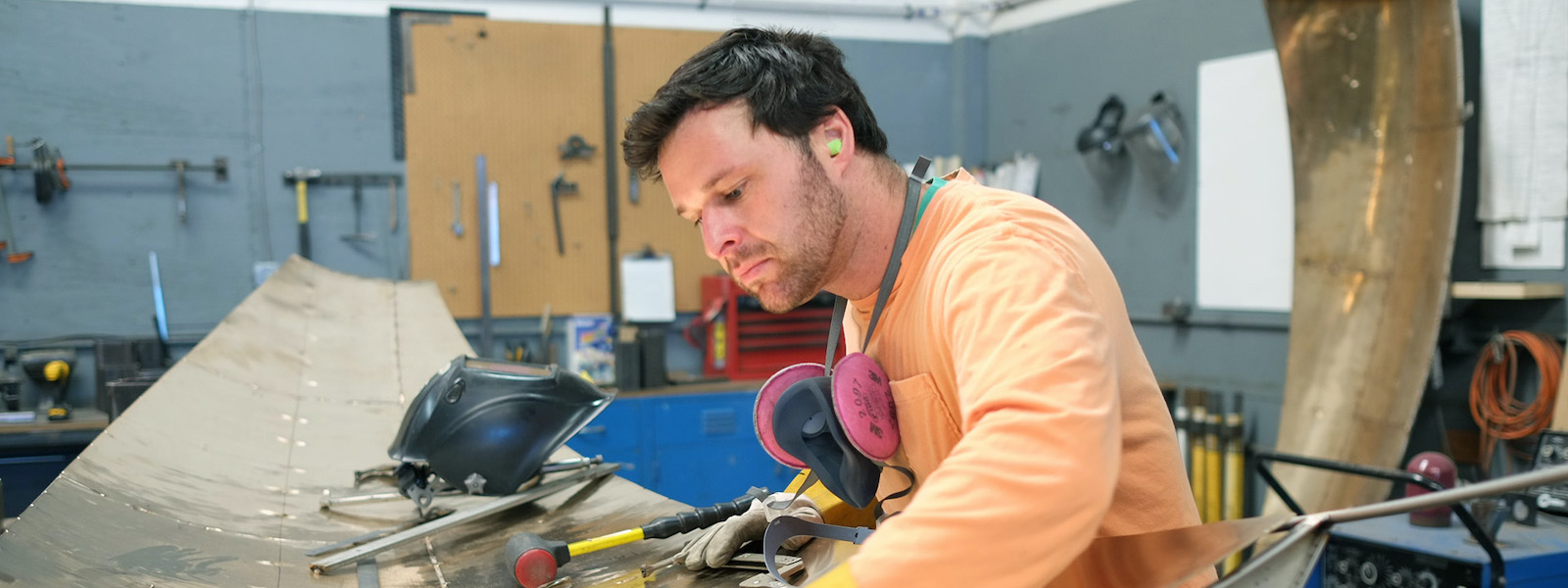
Laasya Art is delighted to introduce contemporary American artist Michael Szabo, a sculptor whose work invites us to see nature and material in new ways. Whether creating residential-scale works or monumental public installations, Szabo transforms metal into fluid, abstract forms inspired by the shapes and patterns of the natural world.
But Szabo’s path to sculpture was anything but straightforward. A series of fateful turns and opportunities during his education and early career ultimately led him to develop the sleek, dynamic style that defines his work today. Discover the fascinating story behind his journey below.
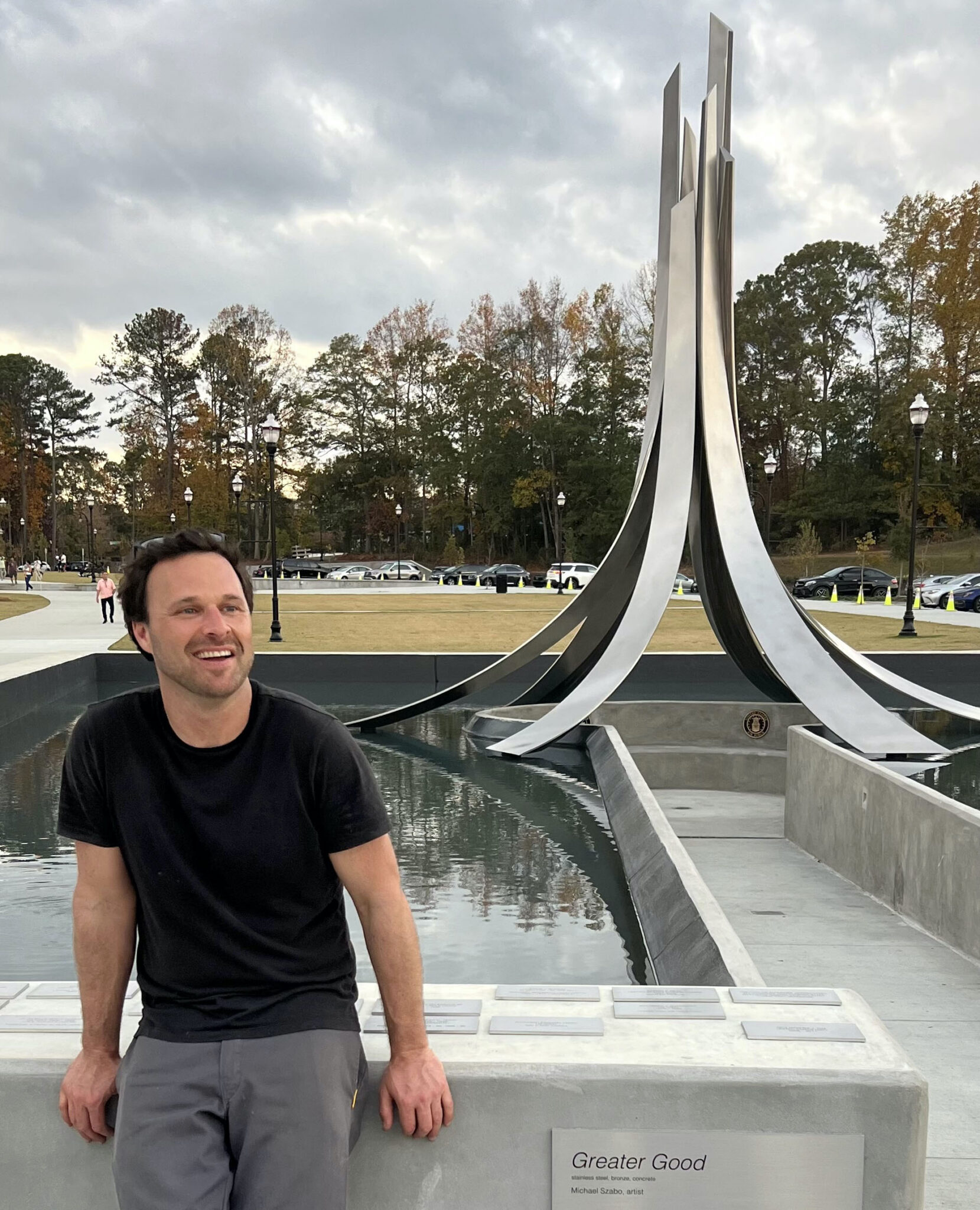
In his own words, Michael Szabo recounts his story:
From Painting to Sculpture: Early Years at RISD
I was always drawn to art and the ability to create an entire world within an image. As a kid, I loved drawing, and by high school I was very focused on painting. I found inspiration in the surrealism of Salvador Dalí and the figure drawing of Michelangelo and other Renaissance masters.
I went to art school thinking I was going to be a painter. Once I arrived at the Rhode Island School of Design (RISD), though, I discovered sculpture and became fascinated by working in three dimensions. Suddenly, I wasn’t just creating an image of something—I could make an actual object and experience it from every side.
Inkblots and the Art of Letting Go: Experimenting with Process
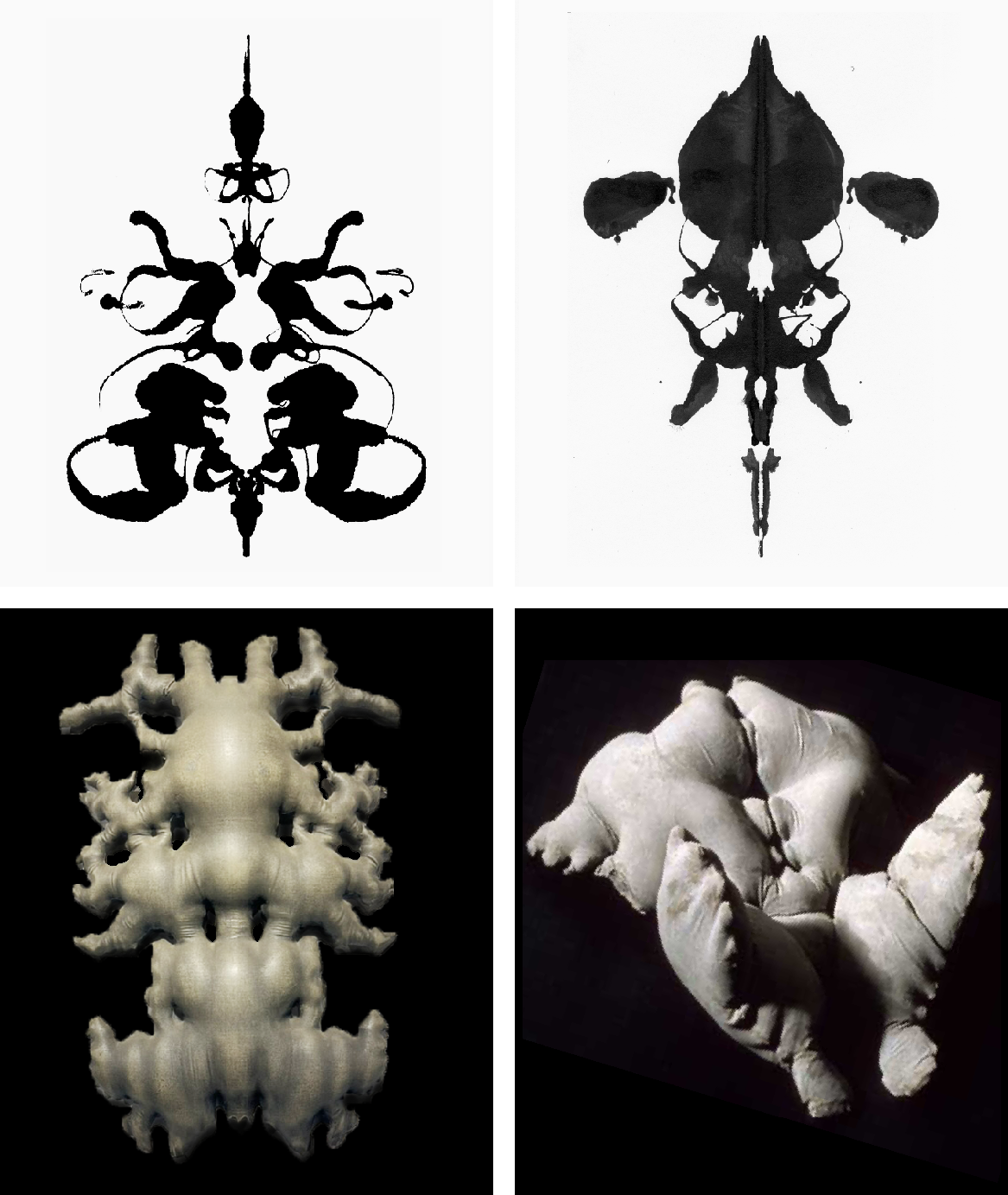
One of my most important artistic developments came out of something as simple as inkblots. I made hundreds of inkblots and started using these unpredictable, two-dimensional shapes to generate three-dimensional forms. In one experiment, I sewed fabric bags based on the outline of the ink, filled the bags with concrete, and then tore the fabric away.
That became a turning point in how I thought about making art. I became interested in setting a process in motion and then responding to those actions rather than trying to determine the result in advance. That balance between intention and discovery has stayed with me ever since.
Learning the Language of Metal: The Years After College
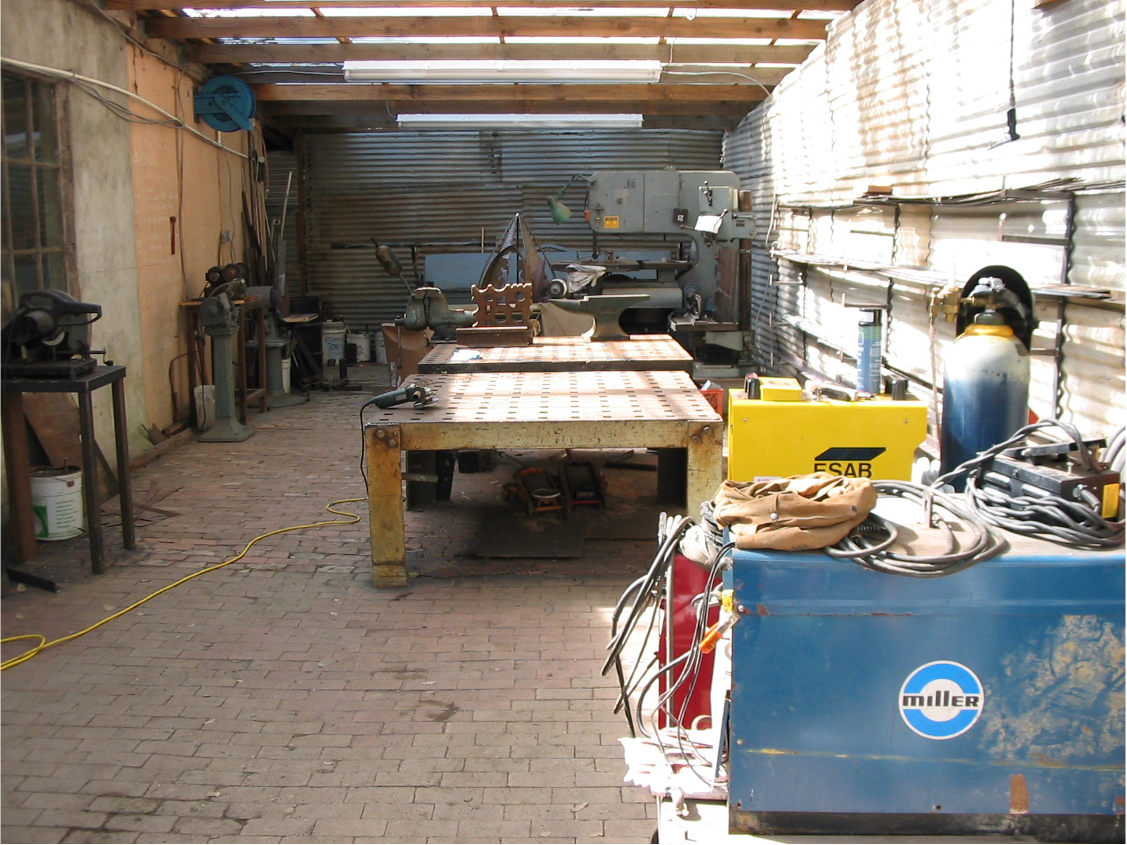
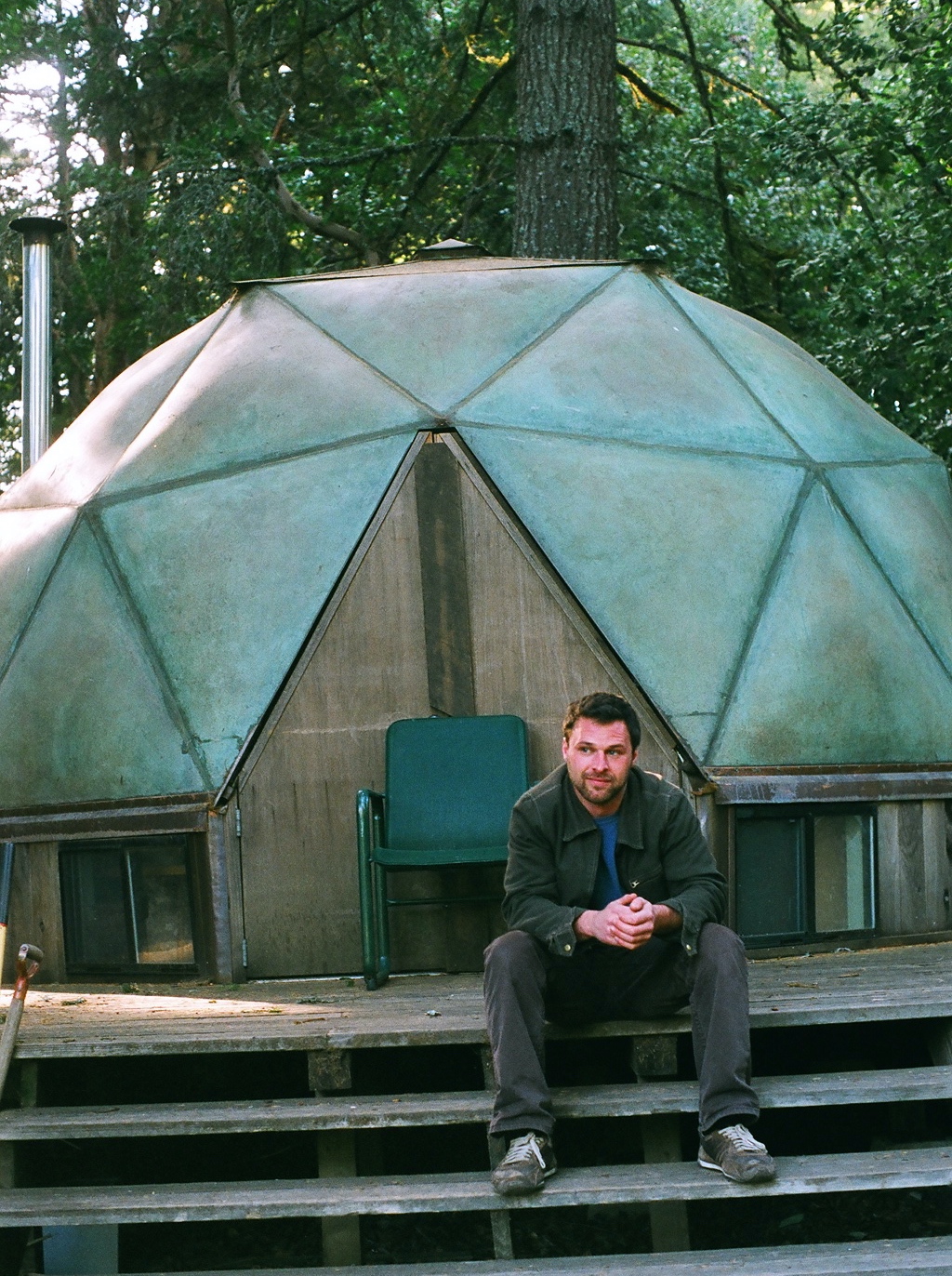
After graduating from RISD, an unexpected opportunity greatly influenced my work. I got a job on a property where I ended up running a small metal shop. I was fixing tractors, doing functional metalwork, and learning how to actually build things. I even built a geodesic dome that became my home for three years.
For the first time, I had a metal shop at my disposal and the freedom to experiment with those tools and processes. I started by making functional objects, and gradually the work became more sculptural and larger in scale. Metal evolved from a simple material into a language I understood intimately.
Abstract Sculptures Inspired by Nature: Michael Szabo’s Studio Practice
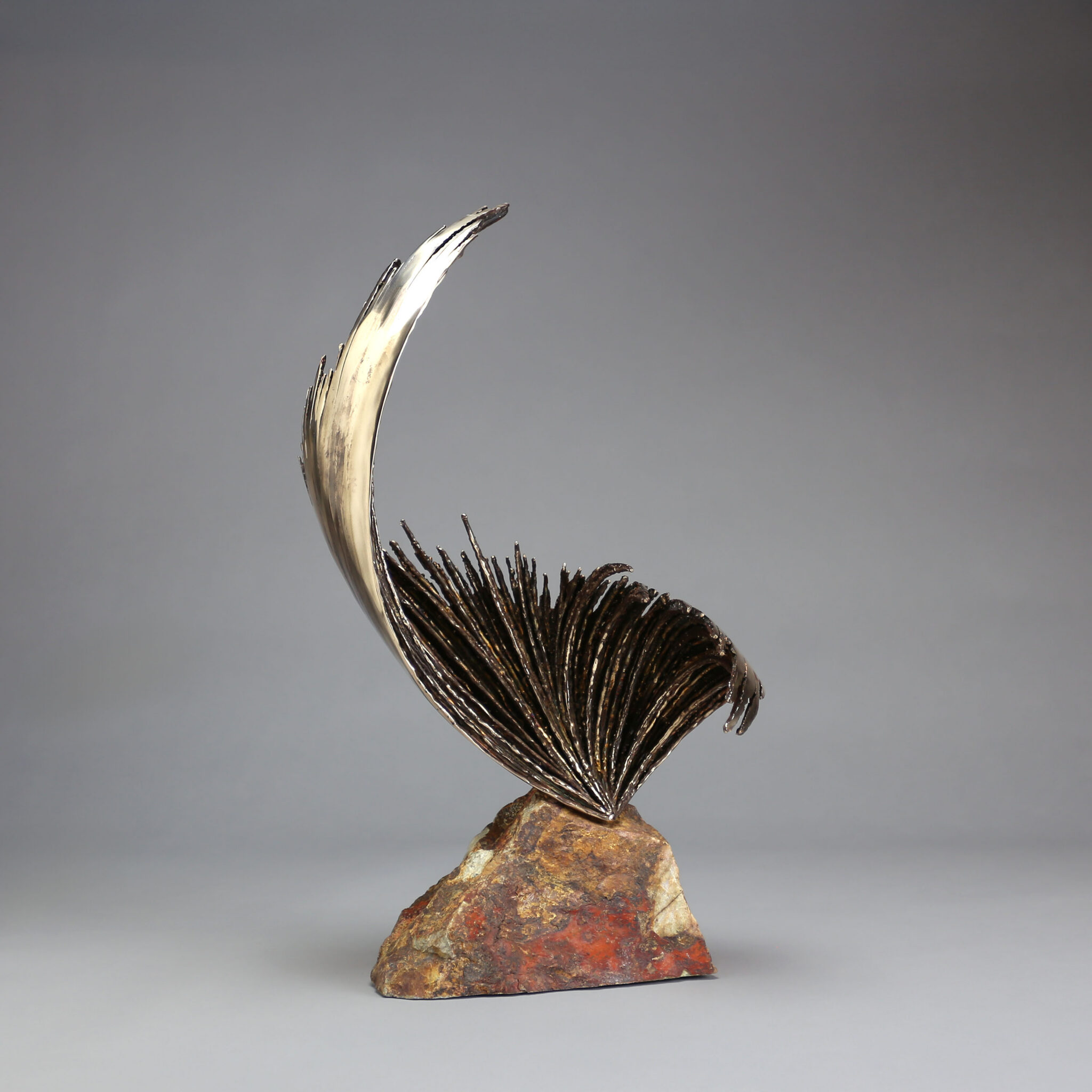
Nature has always been one of my strongest influences, but I think about it across very different scales. I might zoom way out and look at the branching of a tree, or the path a river takes through a landscape. Then I might zoom into the structure of a seed pod or a tiny fissure in a rock shaped by that same river.
I’m not trying to reproduce these forms. Instead, what interests me are their underlying forces and patterns—the way something grows, bends, branches, erodes, gathers, or flows. By the time those observations turn into bronze or stainless steel, their origins may no longer be recognizable. The form becomes abstract, but hopefully it retains a kind of familiarity: something you understand without necessarily knowing why.
Public Art Sculptures: Starting with the Place
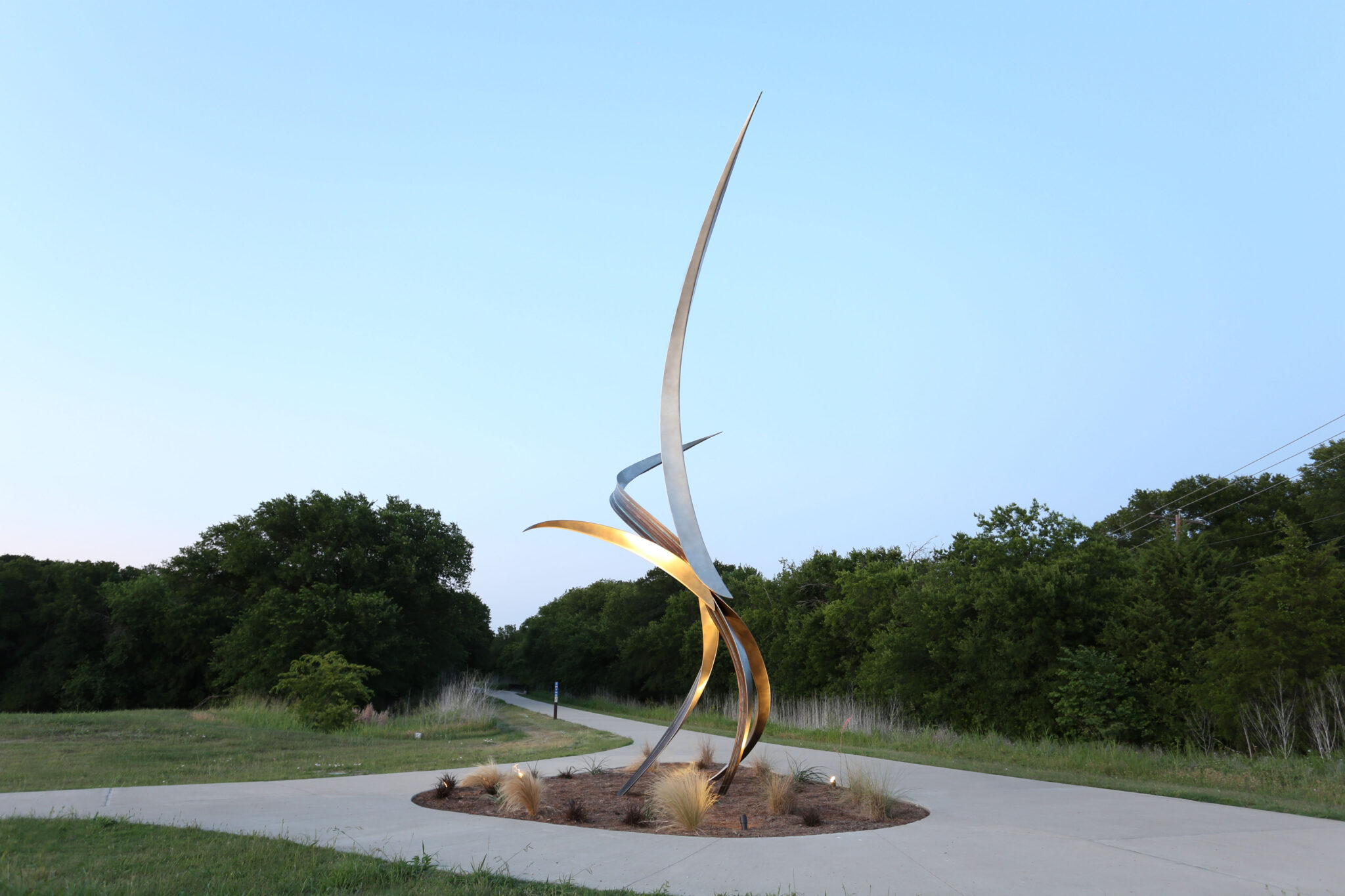
Public art commissions give me a very different starting point than studio works. Rather than beginning with a material or a form, I begin with a place. I spend time learning about the ecology, history, culture, community, and architecture of the site, and observing the ways people actually move through and experience it.
I’m looking for a point of departure for my abstraction, not to illustrate any of these aspects literally. Ideally, someone can encounter the finished sculpture and find their own way of relating to it without knowing the site’s background. The story informs certain decisions, but it doesn’t dictate what someone else has to see.
An Ongoing Practice: Where Control and Discovery Meet
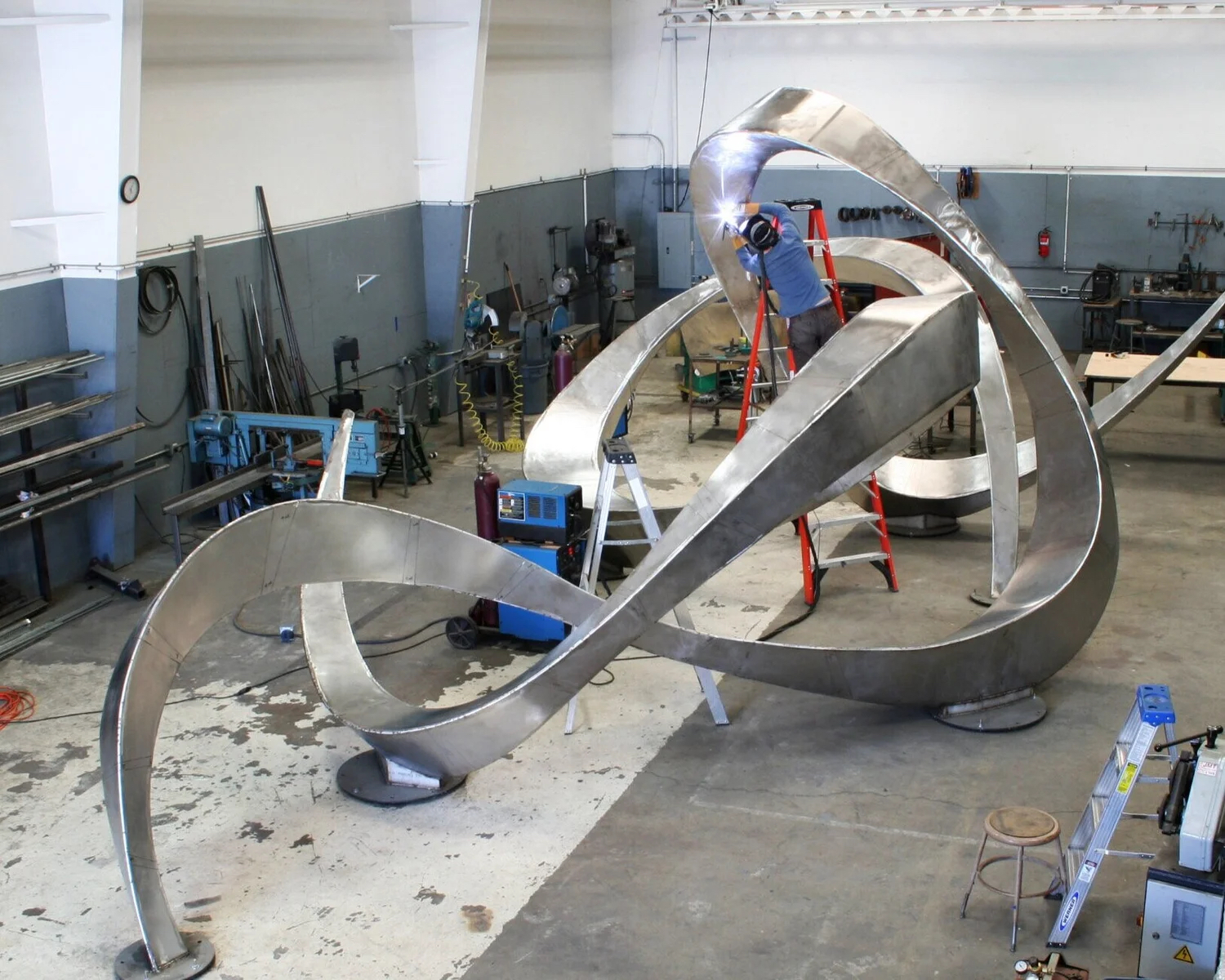
After all these years, I still don’t always know where a piece is going when I start—I’m still learning from materials, still experimenting, and still drawn to making work where I can’t completely predict the outcome.
That uncertainty isn’t something I’m trying to eliminate. I’m interested in that point where control and discovery meet, and it’s a big part of why I continue making sculpture.
Explore our collection of nature-inspired sculptures by artist Michael Szabo at https://laasyaart.com/michael-szabo. To arrange a visit to our Palo Alto gallery by appointment, please contact us at info@laasyaart.com or +1 650-770-9088.